THE NEW YORK PUBLIC LIBRARY / DIGITAL COLLECTIONS

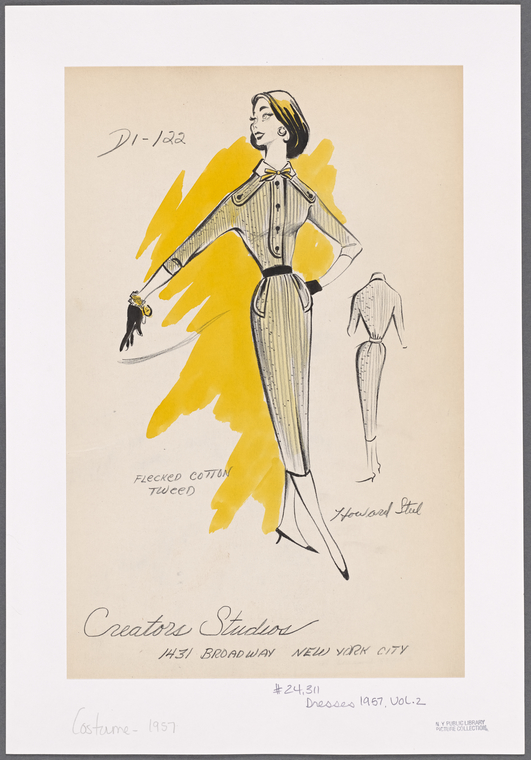
Interesante explorar el sitio web de The New York Public Library Digital Collection. Se trata de una base de datos viva a la que se añaden diariamente nuevos materiales como impresos, fotografías, mapas, ilustraciones, videos y otros materiales.

De especial interés el acervo de bocetos, fotografías e ilustraciones de moda.

http://digitalcollections.nypl.org/search/index?utf8=%E2%9C%93&keywords=fashion#

Fashion Sketch

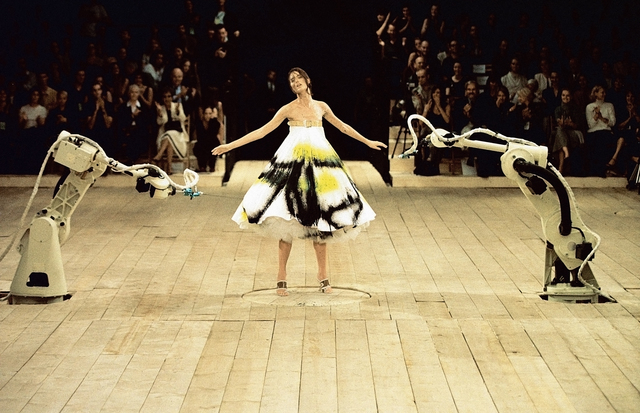
Alexander McQueen: Savage Beauty

Celebrando el extraordinario talento creativo de uno de los diseñadores más innovadores en tiempos recientes. Alexander Mc Queen: Savage Beauty es la primer y más amplia retrospectiva del trabajo de McQueen presentada en Europa.

14 de marzo al 2 de agosto de 2015, Victoria & Albert Museum, London

TAPAS SPANISH DESIGN FOR FOOD

Museo Franz Mayer: TAPAS Spanish Design for Food
Organizada por Acción Cultural Española (AC/E), la muestra Invita al visitante que la recorra a descubrir cómo el diseño encuentra soluciones a los problemas que ha ido planteando el mundo de la gastronomía.
Mayo 14 – julio 18 — at Museo Franz Mayer

10628401_842683665785598_9125670912717448610_n

Karolina Zmarlak

Captura de pantalla 2015-04-21 a la(s) 16.27.33

Karolina Zmarlak nació en Polonia, fue criada en los Estados Unidos y estudió en el F.I.T. de Nueva York. Recibió el New York City Fashion Production Fund, que otorga préstamos a diseñadores emergentes para producir su trabajo.

Sus prendas se caracterizan por su confección, su calidad técnica y su modernidad y se encuentran dirigidas a la mujer moderna. Son prendas de corte limpio y simple pero no aburridas.

Fashion Design and Wearable Art

large

“Fashion is not something that exists in dresses only. Fashion is in the sky, in the street, fashion has to do with ideas, the way we live, what is happening.” —Coco Chanel

Humans have produced clothing for as far back as archeologists can trace, but the modern fashion industry, with its labels, magazines, and the imperative of style, emerged in the late 18th century, primarily as haute couture (“high fashion”). In the 20th century, enabled by the rise of consumer culture and technologies of mass production like the sewing machine, factory-made prêt-à-porter (“ready to wear”) brought fashion into everyday life. Due to the reliance of fashion on commerce and its predominant association with women, its status as an art form worthy of serious scholarly attention has long been debated by art historians. Leer más…

PUBLICADO POR: ARTSY.NET

No more posts.